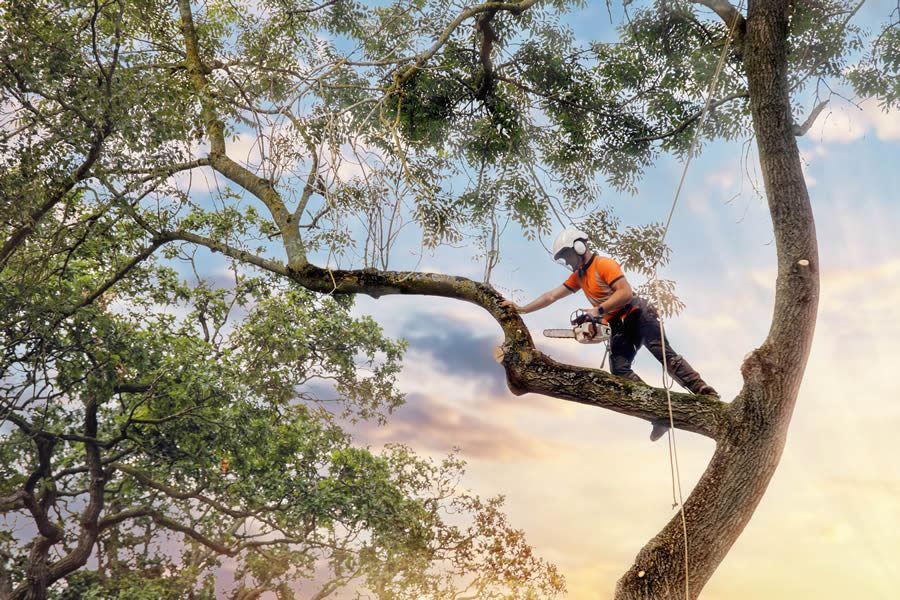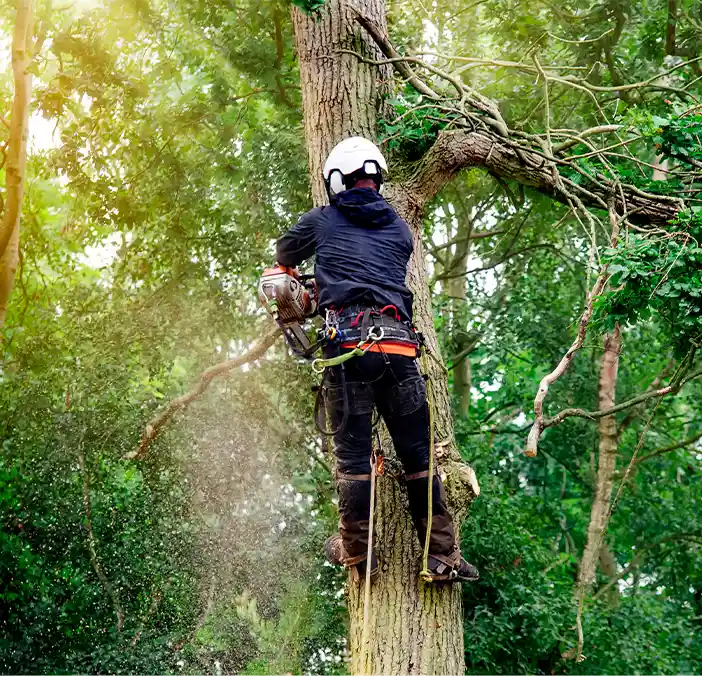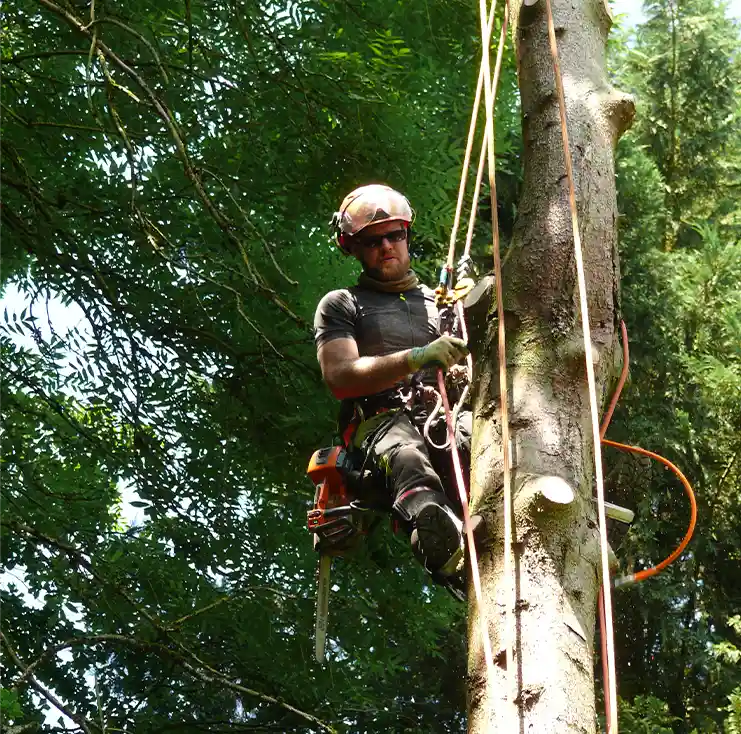
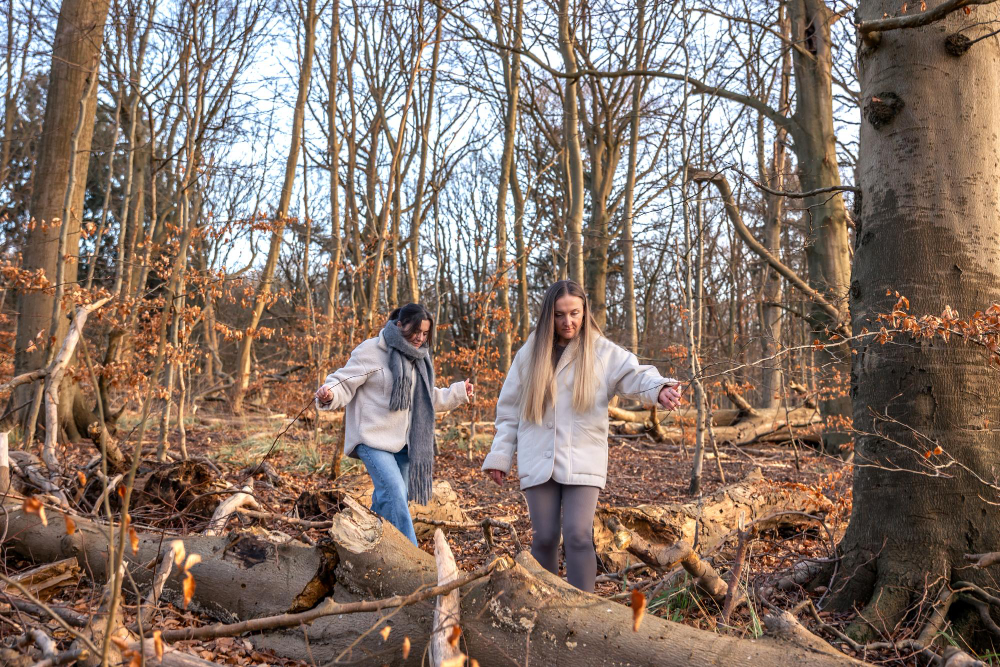
If you live in an area that experiences frequent harsh weather, it is not uncommon to see a tree come down after a storm, heavy rains, or strong winds. The truth is, even a tree that looks healthy and structurally sound can still pose serious risks to your home and loved ones. At Arbor & Acre, we have seen firsthand how quickly trees can fall, especially under the right conditions. As a property owner, understanding what to look for can help you avoid devastating scenarios and keep your property safe all year round.
When it comes to tree care, early detection and intervention are crucial in preventing hazardous situations. Just because a tree has lush foliage and full branches, it doesn’t mean you are safe. Over time, issues can develop that may not be obvious until the tree is under stress. Let’s delve into the common reasons trees fall even when they look fine.
One of the most common reasons a healthy-looking tree may fall is hidden root damage. Healthy roots play a crucial role in anchoring a tree in place and help maintain healthy growth. However, they are vulnerable to damage despite being underground, leading to stability issues due to construction work, soil compaction, or even changes in drainage. Furthermore, a tree can continue to grow leaves and branches, giving the impression of good health. If the roots are compromised, the tree’s ability to remain upright is affected, adding pressure during storms and risking premature tree removal in Abbeville, GA.
In reality, weather plays a crucial role in the stability of your trees, particularly when it comes to soil conditions. After heavy rainfall, the ground can become saturated, losing its ability to firmly hold roots in place. Even a robust tree can become unstable, and the extra weight of wet soil combined with reduced friction creates conditions that contribute to toppling with little resistance. If you don’t want a tree coming down when you least expect; taking a proactive approach toward risk assessment and maintenance is essential.
Weakness can manifest in different ways, and sometimes it is not visible from the outside. Over time, cracks, internal decay, or structural issues can develop within the trunk or major branches. Whether these injuries are a result of past injuries, fungal infections, or natural growth patterns, early intervention is crucial to prevent further deterioration and sudden tree fall during adverse weather conditions. As a result, trees may appear strong, but their internal support system may be compromised. Tree service providers leverage extensive expertise to diagnose hidden issues early, preventing sudden failure without warning.
Extreme weather can topple even the healthiest trees. Frequent lightning strikes, strong winds, or sudden storms exert force on a tree’s structure. While a healthy tree is more resilient, there are limits to what it can withstand. Strong wind, especially when combined with saturated soil, can uproot trees or snap weak trunks. On the other hand, lightning can cause immediate structural damage that leads to collapse. Since these events can happen quickly, they leave you little to no time for visible warning signs to develop. Routine inspections by a tree company can ensure accurate diagnosis and effective solutions to restore stability.
While the idea of a healthy tree falling without warning may seem counterintuitive, it is not impossible. Don’t rely on visual health risks to act. Contact Arbor & Acre to book an appointment with our experts and take more informed steps to monitor trees and reduce potential hazards.
If you live in an area that experiences frequent harsh weather, it is not uncommon to see…
+ Read More
Healthy plants play a crucial role in our landscapes and the environment. However, issues can arise that…
+ Read More
Seasonal changes not only affect the comfort of indoor spaces but also present unique challenges to healthy…
+ Read More