.webp)
Tree diseases not only cause aesthetic concerns but also destabilize the entire structure and make it more likely to break or topple. As a property owner, familiarizing yourself with the most common tree diseases and what to do if you have concerns can make a big difference. At Arbor & Acre, we understand how deceptive symptoms can be, especially if you do not know common diseases that are likely to attack the trees in your area. That’s why our certified arborists work with you to catch warning signs early, assess the extent of the damage, and recommend effective treatments to prevent premature tree removal. Let’s delve into the common tree diseases you need to know to keep your home safe.
DED is a fungal disease that interferes with a tree’s ability to transport vital nutrients and water from its trunk to the leaves. Research shows that most trees with Dutch Elm Disease die fairly quickly, usually within 1-2 seasons. Regularly check for signs of infection, such as sudden dieback, dark red or brownish streaks when you peel back the bark, and yellow leaves that remain on the tree. If you detect these red flags, call a tree care company in Abbeville, GA quickly for an inspection. Professional arborists utilize extensive expertise and specialized techniques to test for the presence of DED, assess the extent of the infection, and determine whether treatment or tree removal is necessary.
Anthracnose is a term that describes a group of similar fungi that infect different varieties of plants and trees throughout the country. If you detect lesions or dark spots on leaves, small and large branches die back, and sunken areas or cankers, it may be time to seek professional help. The most susceptible varieties include ash trees, True Green Chinese elms, and American Sycamores, which defoliate from the bottom to the top. Tree service providers can tailor solutions based on the species and severity, keeping your yard lush year-round.
Oak wilt was discovered in the 1940s. This fungal disease spreads from one tree to another via root grafts. While this disease primarily affects red oak trees, other species can also be affected. The most noticeable symptoms that you need professional tree services include leaf drop, discoloration, and dieback. If left unchecked, oak wilt can be extremely aggressive, defoliating entire trees within 3-6 weeks after infection. With that said, having a trusted tree care company test your greenery regularly can help detect and address signs of infection early before they worsen.
Black knot disease is a condition caused by a specific fungus, which results in a large, black, and deformed gall at the point of entry of the pathogen. You can easily detect these galls in the fall and winter, after trees shed leaves, often appearing on branches, twigs, or anywhere on the trunk. If you notice leaves turning brown, wilting, or dying, black knot fungus may be the root cause. While infected trees can survive for many years, ignoring professional intervention can lead to deterioration, death, and emergency tree removal.
The list of common diseases that can make trees unsafe and potentially hazardous to other healthy greenery is not limited to the ones mentioned. However, taking a proactive approach toward tree care and maintenance can make a huge difference. Some of the steps you can take to protect your trees from disease include regular pruning, adequate watering and fertilizing, planting resistant varieties, and having a tree service provider inspect for signs of disease.
Contact Arbor & Acre to book an appointment with our certified arborist and get ahead of underlying symptoms. We provide comprehensive solutions tailored to your needs, including tree removal and replanting.
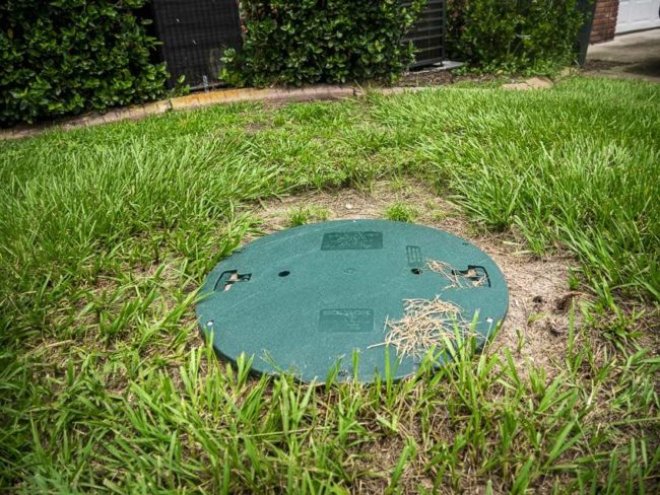
Did you know that proper drainage is key to how trees grow? Tree roots thrive in a…
+ Read More
When it comes to tree health, it is important to note that it isn’t just by accident.…
+ Read More
Seeing a tree fall independently is satisfying, especially if it has been causing issues in your yard.…
+ Read More